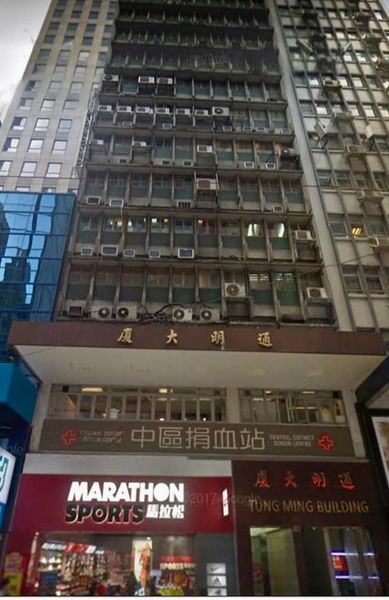
Today I am talking about the Tungming Building, which was developed by Tung Tai Baggage Home, 40-42 (left picture), and it is the story of a neighborhood in Central and Western District that has become the owner of a commercial building in Central
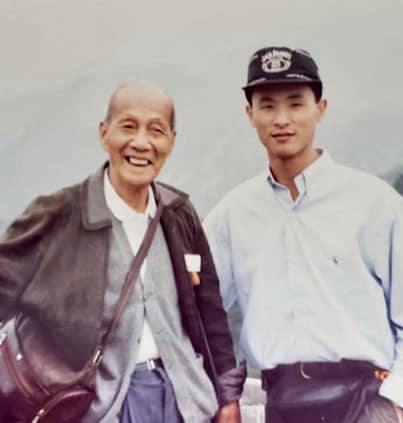
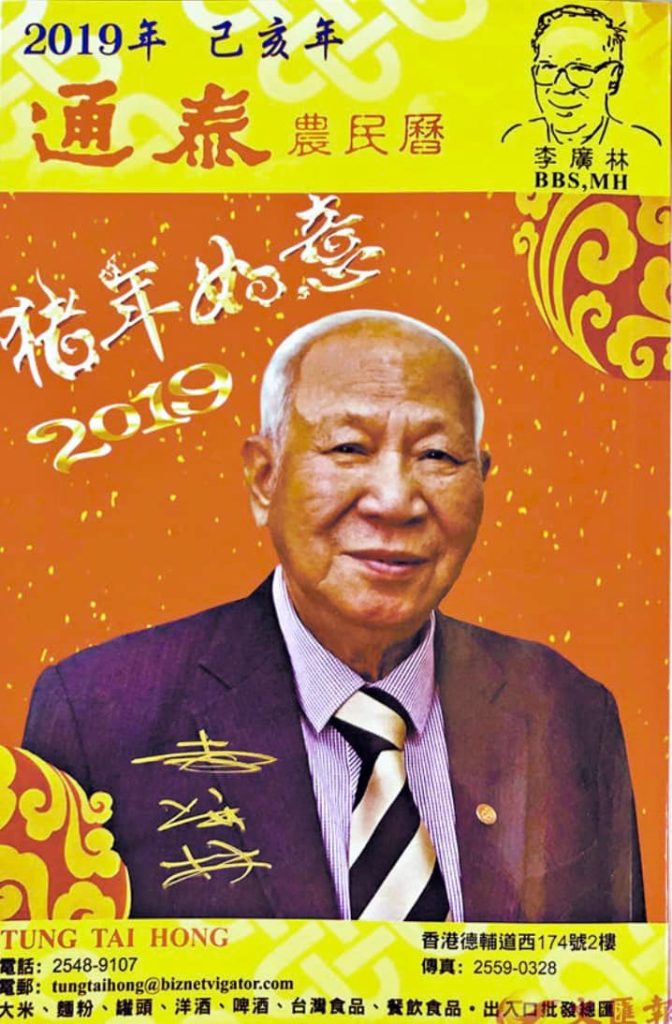
Tungtai’s founder Lee Tungming (picture in the middle) is a high-profile person. He used to work as a salesman at a gift shop in Guangzhou. After the outbreak of the Anti-Japanese War, Hong Kong used to sell snacks in Xie Yunji, and sold canned biscuits in the street stall in Central. After the war, he set up Tungtai office to sell grain and oil groceries. He also opened Mingtai, selling alcohol and Tintai, selling candy. The middle right picture is Tungtai’s In the 1960s, Tungtai developed into a number of grain suppliers in Hong Kong with the assistance of Lee Kwan Lam, a second generation graduated from Zhuhai. He imported more than 500 kinds of food products during the peak period. Famous snacks introduced to Hong Kong include kale B potato chips and balitz from Japan, and also made rice flour. Therefore, Lee Kwan Lam has the title of “the king of grain and oil”, while Kenneth (top right), his son who started helping after the 1990s, has the title of “the prince of grain and oil”.
Lee Kwan Lam opened Tungtai supermarket in the 1970s. Although he won’t be able to sign a contract with Wellcome, he still keeps the Xiying Pan store serving both old neighbors and agents to test the market reaction for new products. He is the most savvy of his family is that he made money in the business and used it to build real estate and property owners. Tungming Building is the original old building that was rebuilt in 73 after the typhoon collapsed. It is known that the family has other properties in Central District and Causeway Bay. In addition to doing food business, Lee Kwan Lam has a lot of interest. In addition to being a member of the Eastern District Council (whose wife, Yok Lan, is also a member of the Central and Western District Council), he also collects many fossils, matchboxes, etc., and compiles the peasants’ calendar
Viagra und Alkohol – was sollten Sie beachten? Die Kombination von Viagra mit größeren Mengen Alkohol kann die Wirkung beeinträchtigen und Nebenwirkungen verstärken. Deshalb gilt: Nehmen Sie Viagra nur einmal innerhalb von 24 Stunden ein und vermeiden Sie übermäßigen Alkoholkonsum, um die bestmögliche Wirkung und Sicherheit zu gewährleisten. Levitra wirkt ähnlich wie Viagra – beide Medikamente blockieren das Enzym Phosphodiesterase 5 (PDE-5) und fördern dadurch die Durchblutung im Penis. Das sorgt für eine zuverlässige Potenzsteigerung.Mehr Informationen und diskrete Bestellung finden Sie auf diskrete-apotheke24.de.
The Tungming Building has a rich history tied to the development of Central and Western District in Hong Kong. Lee Tungming’s journey from a humble salesman to a prominent businessman is truly inspiring. His family’s expansion into various businesses, including groceries, alcohol, and real estate, showcases their entrepreneurial spirit. The legacy continues with his son, Kenneth, who carries forward the family’s reputation in the grain and oil industry. How has the Tungming Building influenced the growth and identity of the Central and Western District over the years?
It’s fascinating to learn about the history of the Tungming Building and the entrepreneurial journey of the Lee family. Their transition from selling snacks to becoming major grain suppliers and property owners is truly inspiring. The introduction of new products like Japanese snacks and rice flour shows their innovative spirit. It’s impressive how Lee Kwan Lam balanced the food business with real estate investments. What other significant contributions did the Lee family make to Hong Kong’s development beyond the grain and oil industry?
The Tungming Building’s history is fascinating, especially how it reflects the resilience and entrepreneurial spirit of the Lee family. It’s impressive how Lee Tungming started from humble beginnings and built such a legacy. The transition from selling snacks to becoming a major player in Hong Kong’s food and real estate industries is truly inspiring. I wonder how the family managed to balance their diverse business interests so effectively. The story of rebuilding the Tungming Building after the typhoon shows their commitment to preserving their heritage. Do you think the younger generation, like Kenneth, will continue to innovate and expand the family’s legacy? It’s interesting to see how the family’s influence extends beyond business into community roles. What do you think has been the key to their long-term success?
It’s fascinating to learn about the history of the Tungming Building and the Tungtai family’s journey from humble beginnings to becoming influential figures in Hong Kong. Lee Tungming’s resilience and adaptability during challenging times, like the Anti-Japanese War, are truly inspiring. The evolution of Tungtai from a small grain and oil business to a major supplier and property developer shows remarkable vision and determination. It’s interesting how Lee Kwan Lam diversified into real estate, which seems to have been a strategic move for long-term success. The family’s involvement in both business and local governance highlights their commitment to the community. I wonder how the younger generation, like Kenneth, is continuing to innovate and uphold the family legacy. What do you think sets the Tungtai family apart from other business dynasties in Hong Kong?
The Tungming Building’s history is truly fascinating, especially how it reflects the resilience and entrepreneurial spirit of the Lee family. It’s impressive how Lee Tungming started from humble beginnings and built such a legacy. The transition from selling snacks to becoming a major player in the grain and oil industry is inspiring. I wonder how the family managed to balance their food business with real estate investments so successfully. The story of rebuilding the Tungming Building after the typhoon shows their commitment to their roots. It’s also interesting how the family’s influence extends beyond business into local governance. What do you think was the most pivotal moment in their journey that shaped their success?
Interesting read about the Tungming Building and the Lee family’s journey! It’s fascinating how Lee Tungming started from humble beginnings and built such a legacy. The transition from selling snacks to becoming a major player in the grain and oil industry is truly inspiring. I wonder how the family managed to balance their food business with real estate investments so successfully. The story of Tungtai’s supermarket and its role in testing new products is quite clever—did it influence how other businesses approached market research? Also, it’s impressive how the family expanded their influence into politics. Do you think their business acumen played a role in their political success? Would love to hear more about how the younger generation is carrying forward this legacy!
This is such an intriguing story about the Tungming Building and the legacy of the Lee family. I admire how Lee Tungming transitioned from selling snacks to building a successful empire in Hong Kong. It’s fascinating to see how his son, Lee Kwan Lam, expanded the business into real estate and maintained such a strong connection with the community. The Tungming Building seems to hold so much history, especially after being rebuilt post-typhoon. I’m curious, how has the building’s presence in Central shaped the neighborhood over the years? Do you think the family’s legacy in both food and real estate has been equally impactful? Also, what’s the significance of maintaining the Xiying Pan store despite not partnering with Wellcome? Would love to hear more about how this family’s story continues to influence Hong Kong today.